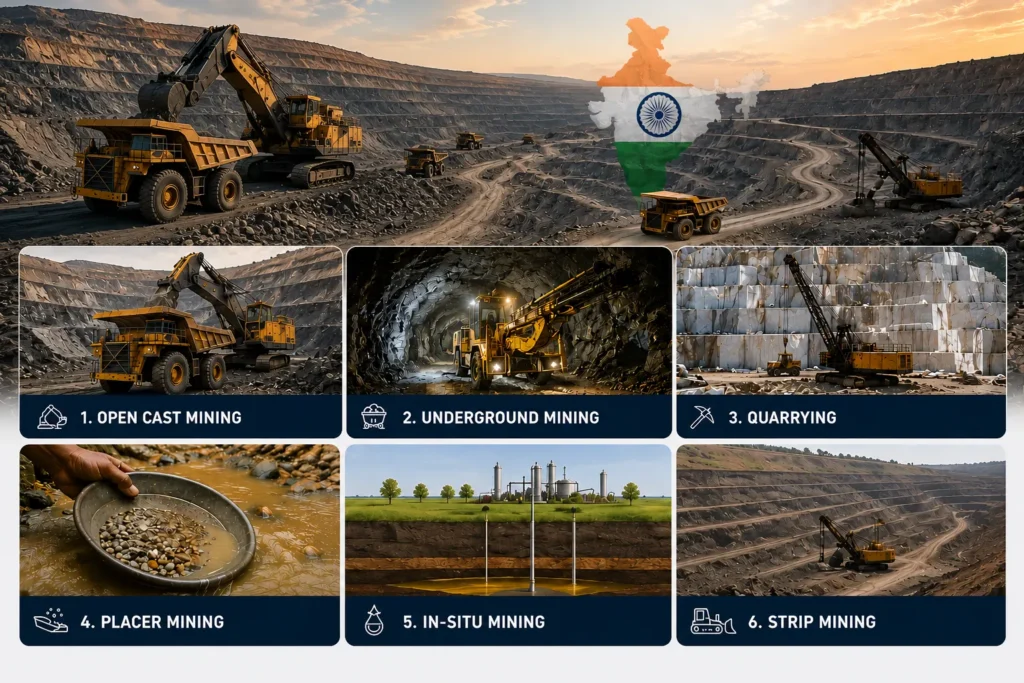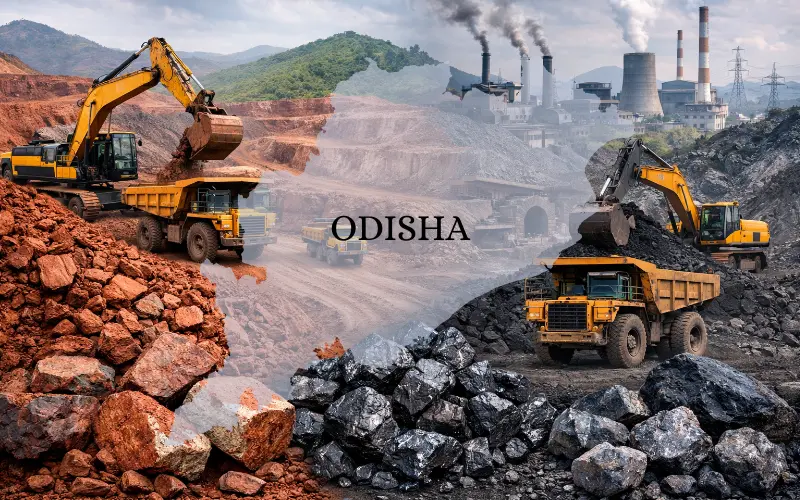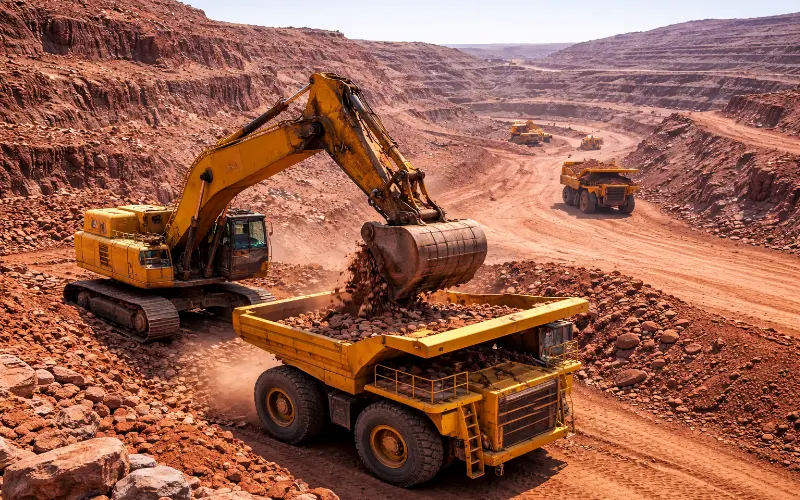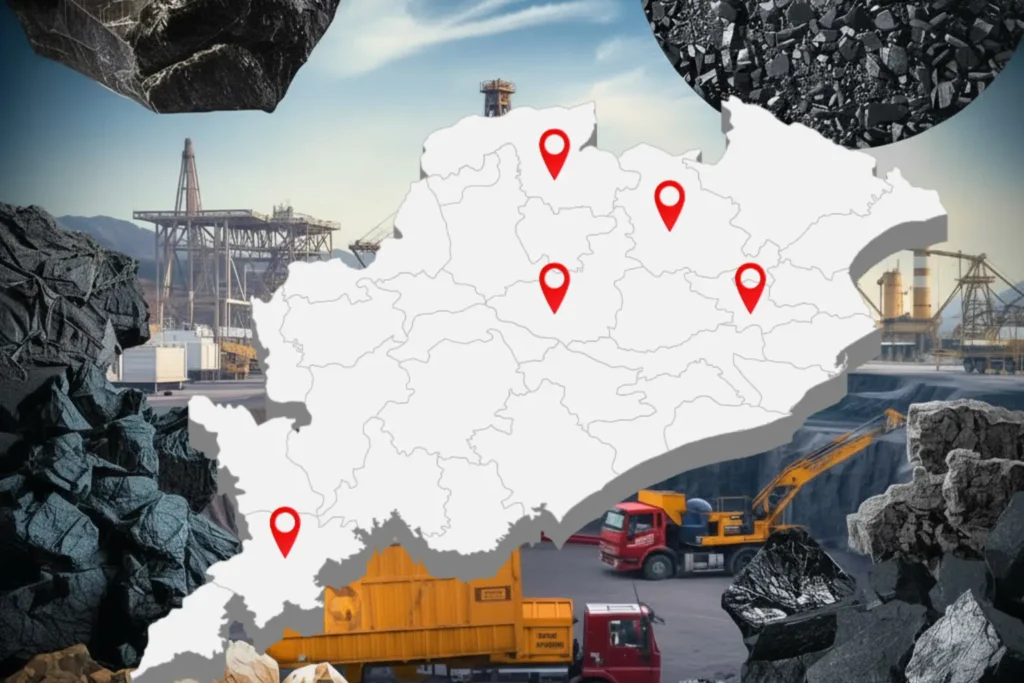
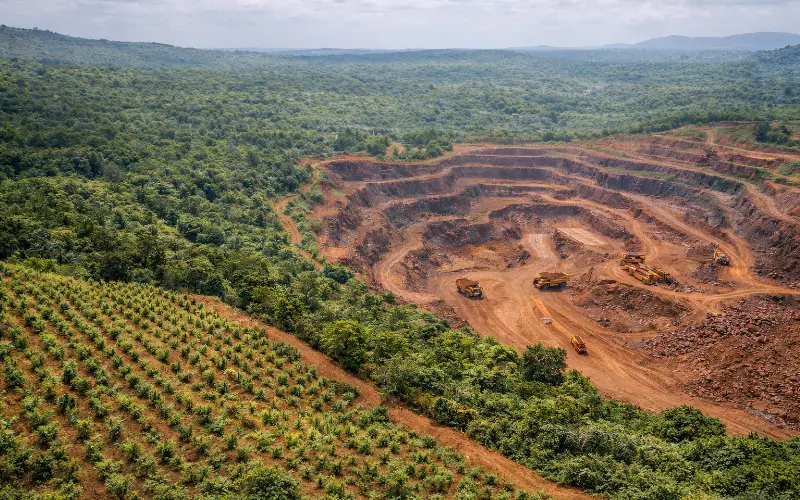
Sustainable iron ore mining in Odisha is changing how mining companies work today. They are now more focused on growing and gaining the trust of local communities and investors over time. Odisha is rich in minerals, iron ore and has huge reserves of it. As more mining happens it is crucial to mine responsibly. Be kind to the environment. Mining companies in Odisha are now following mining rules to reduce harm to the environment and help the local economy grow.
Odisha’s Role in India’s Iron Ore Industry
Odisha is in India and it is really important for getting iron ore production and mineral extraction. The state gives a lot of iron ore to the country, which helps make steel build roads and houses and do construction work. Because people around the world want more raw materials, the people who mine iron ore in Odisha have to make sure they can get more iron ore without hurting the environment. This makes sustainable iron ore mining not just an environmental concern, but a strategic business necessity for mining companies aiming to stay competitive and compliant.
What Is Sustainable Iron Ore Mining?
Sustainable mining practices provide a solution to current mineral requirements because they enable mining operations to function without harming nature or future human needs. The approach in Odisha combines responsible mineral extraction with efficient resource utilization methods that protect land water and biodiversity resources. Responsible iron ore mining operations protect the environment while creating safe work conditions and supporting community progress through ethical business methods. Mining companies that implement sustainability practices in their operations will gain operational stability and corporate credibility over time.
Key Responsible Practices in Iron Ore Mining
Several modern mining companies in Odisha have implemented new mining techniques that are far more responsible than practices from the past:
- Land Reclamation & Mine Closure Planning: The rehabilitation of the mined land is a most important step when closing down the mine. Soil stabilization and the revegetation of the land make it possible for the post-mining land to be utilized for ecological or community purposes.
- Afforestation & Biodiversity Conservation: The ecological balance of a region can be positively affected by the restoration of greenery that is assisted by afforestation projects. Such projects also safeguard the flora and fauna of the region.
- Water Management & Conservation: Mining operations are carried out in a responsible way as far as the management of water is concerned. Water management is responsible and involves the harvesting of rainwater as well as the recycling of mining water. The controlled discharge of mining water also helps in the management of water sources and groundwater.
- Dust Control & Air Quality Management: Air quality at mine sites has been positively impacted by water sprinkling, the use of conveyor system covers, and green buffer zones. These measures also improve the health of workers at mine sites.
- Waste Reduction & Resource Efficiency:The sustainable mining of minerals is supported by an increased efficiency of ore resources and a decreased amount of waste caused by the optimized ore recovery.
Industry Insights Supporting Responsible Mining
The transition to sustainable iron ore mining is supported by international research. The International Council on Mining and Metals (ICMM) article “Mining for the Future: How Responsible Mining Supports Sustainable Development” describes how community involvement, open governance, and environmental stewardship enable mining companies to grow over the long term while lessening their ecological impact.
Additionally, the Responsible Mining Foundation’s “Responsible Mining Index Report” demonstrates that a company’s reputation and investor confidence are directly enhanced by its environmental, social, and governance (ESG) performance.
Benefits of Sustainable Iron Ore Mining in Odisha
Implementing sustainable mining practices in Odisha presents long-term advantages, which include the following:
- Environmental Protection: Reduced land degradation, better water conservation, improved air quality
- Community Trust: Improved relationships with local community stakeholders.
- Operational Efficiency: Lower waste and optimized resource use
- Investor Confidence:Improved corporate reliability and added potential for long-term investments
- Regulatory Readiness: Improved staying in line with changing compliance regulations
Conclusion
Iron ore mining in Odisha has become an essential business strategy and is no longer optional. Mining companies can preserve the environment while enhancing their reputation and long-term success by implementing ethical mining techniques like waste reduction, afforestation, water management, dust control, and land reclamation. The future of iron ore production in the area will be determined by responsible and sustainable mining practices, as Odisha remains an important part of India’s mining sector.