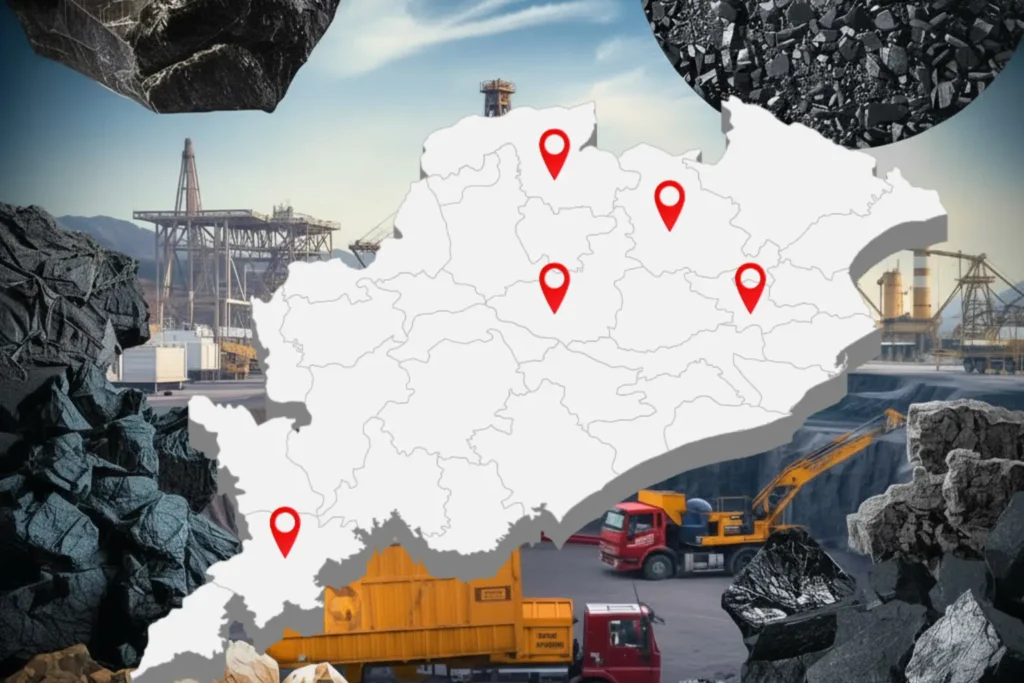
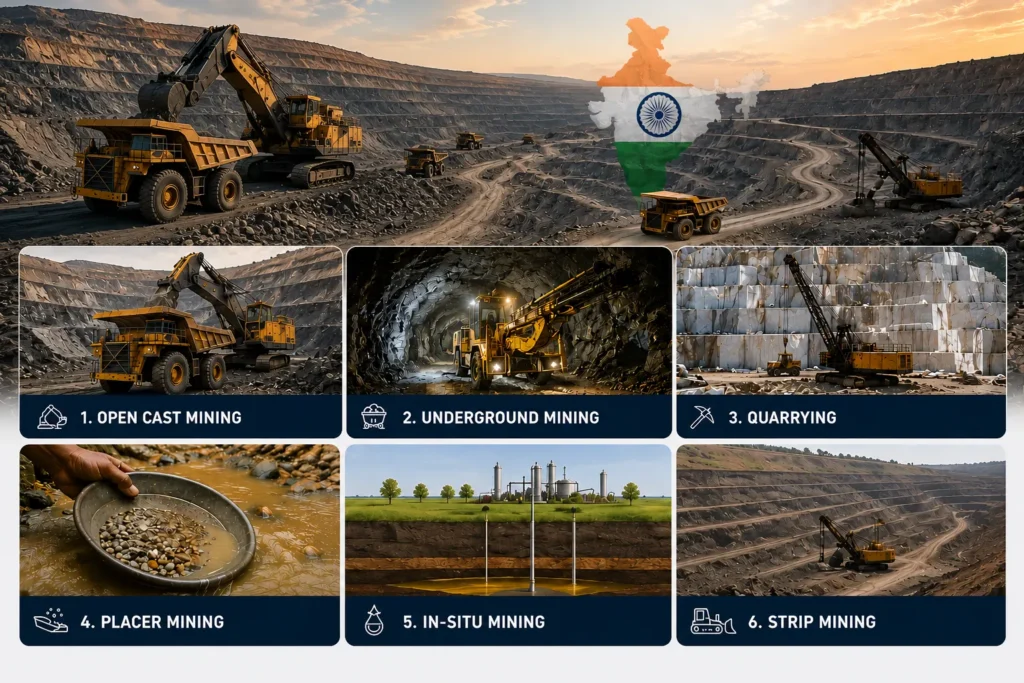
India is one of the world’s leading producers of minerals such as coal, iron ore, bauxite, limestone, and manganese. The country’s strong industrial growth depends heavily on the mining sector. From electricity generation to infrastructure development, mining plays a crucial role in supporting multiple industries. Understanding the types of mining methods in this article helps provide insight into how India’s mining sector operates.
Different Mining Methods in India are used depending on the type of minerals, geological conditions, and depth of the deposit. Modern mining companies focus on improving productivity, safety, and sustainability through advanced technology and efficient extraction processes.
1. Opencast Mining
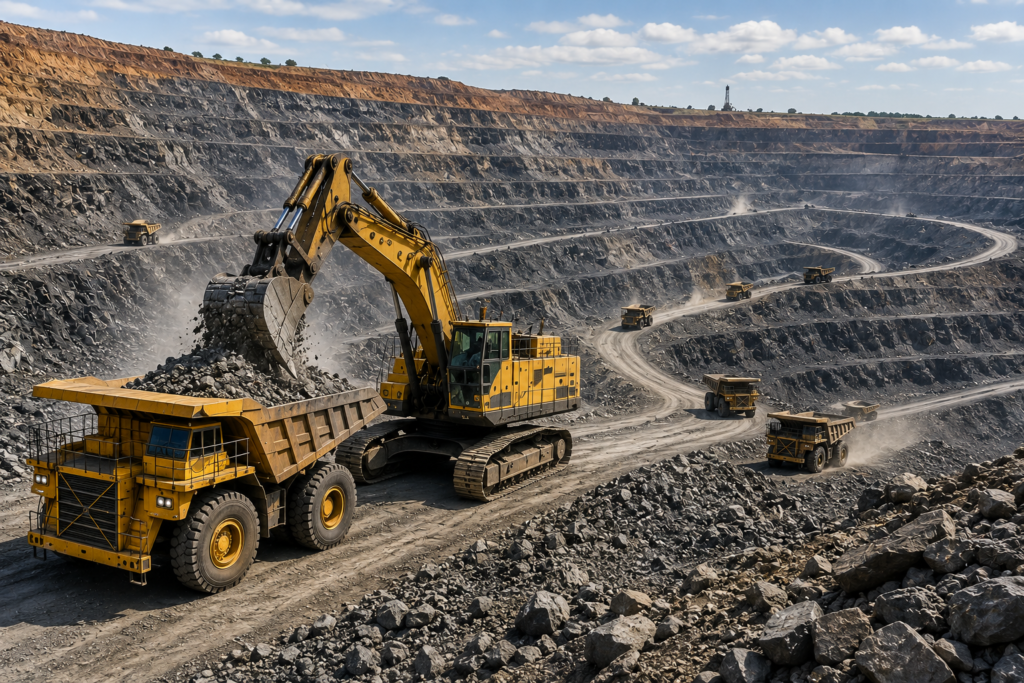
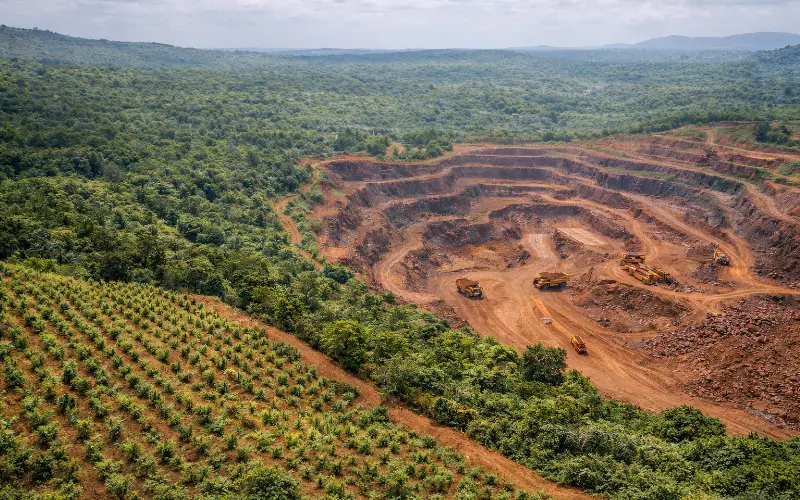
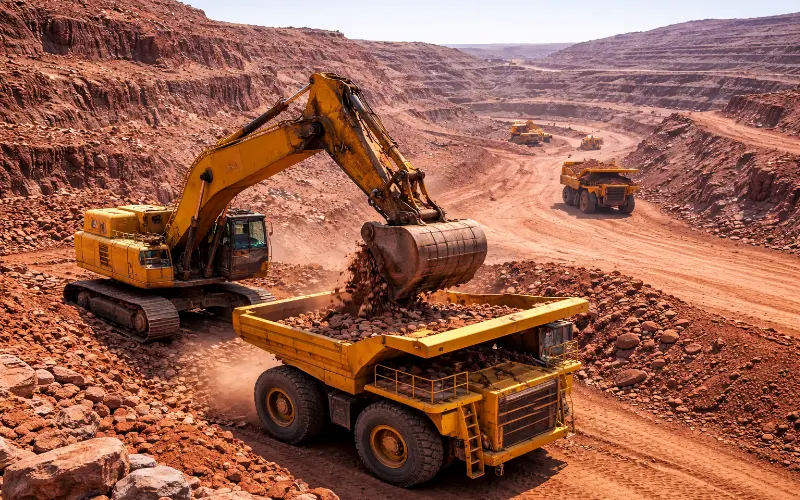
Opencast Mining in India is the most widely used mining technique because many mineral deposits are found close to the earth’s surface. In this method, layers of soil and rock are removed to access valuable minerals underneath. This method is widely used for extracting coal mining,iron ore mining, limestone, and bauxite.
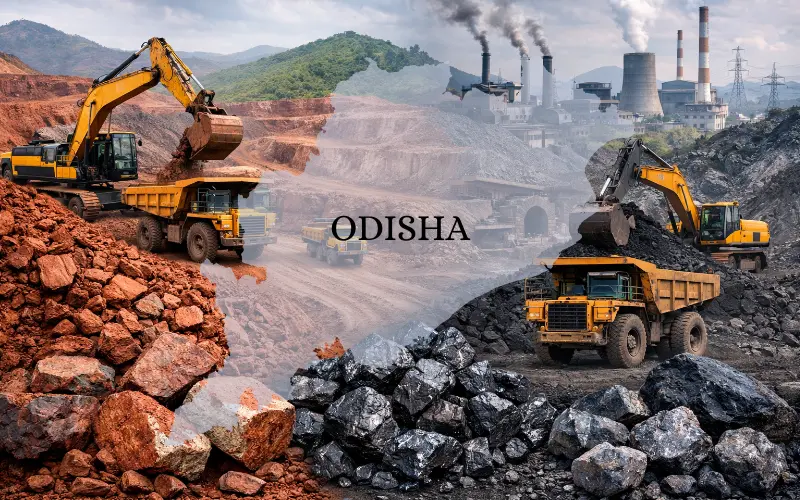
Large excavators, dump trucks, and drilling machines are used in opencast mines for high-volume production. States like Odisha, Jharkhand, and Chhattisgarh have major opencast mining operations.
Advantages of Opencast Mining
- Lower operational cost
- Faster extraction process
- High production efficiency
- Easier transportation of minerals
Despite its efficiency, surface mining can create environmental challenges such as dust, land degradation, and noise pollution.
2. Underground Mining
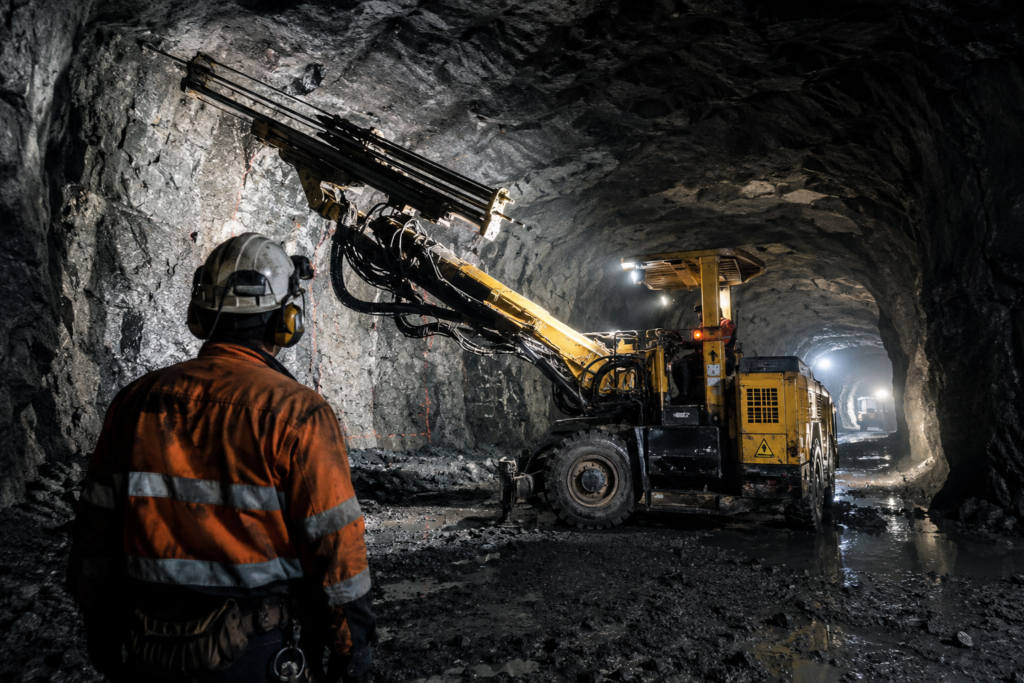
When minerals are located deep below the surface, companies use Underground Mining in India to access deposits safely. This method involves constructing shafts, tunnels, and ventilation systems underground. Underground mining is commonly used for deep coal reserves, gold, copper, zinc, and other metal deposits.
Compared to surface mining, underground mining requires advanced engineering and safety measures.
Types of Underground Mining
Shaft Mining
Vertical shafts are created to transport workers and equipment deep underground.
Room and Pillar Mining
Minerals are extracted while leaving pillars behind to support the roof structure.
Longwall Mining
Longwall Mining is a modern coal mining method that uses mechanized systems to remove large sections of coal efficiently.
Benefits of Underground Mining
- Reduced surface disturbance
- Access to deep mineral reserves
- Better land preservation
However, underground mining operations involve higher costs and greater technical complexity.
3. Strip Mining
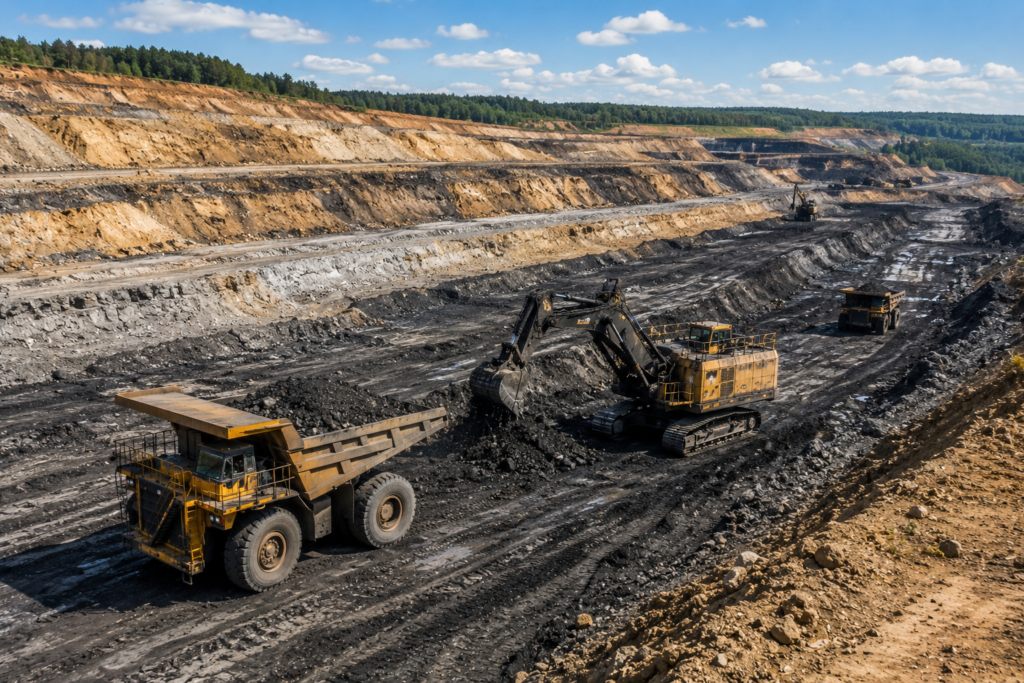
Strip Mining is another commonly used Surface Mining Method in India, especially for coal extraction. In this process, the overburden is removed in strips to expose mineral seams below.
This mining method is highly effective for shallow and horizontally distributed deposits.
Key Advantages
- Faster mineral recovery
- Continuous mining operations
- Lower drilling requirements
Large earthmoving machines and draglines are commonly used in strip mining projects across coal-producing regions.
4. Quarry Mining
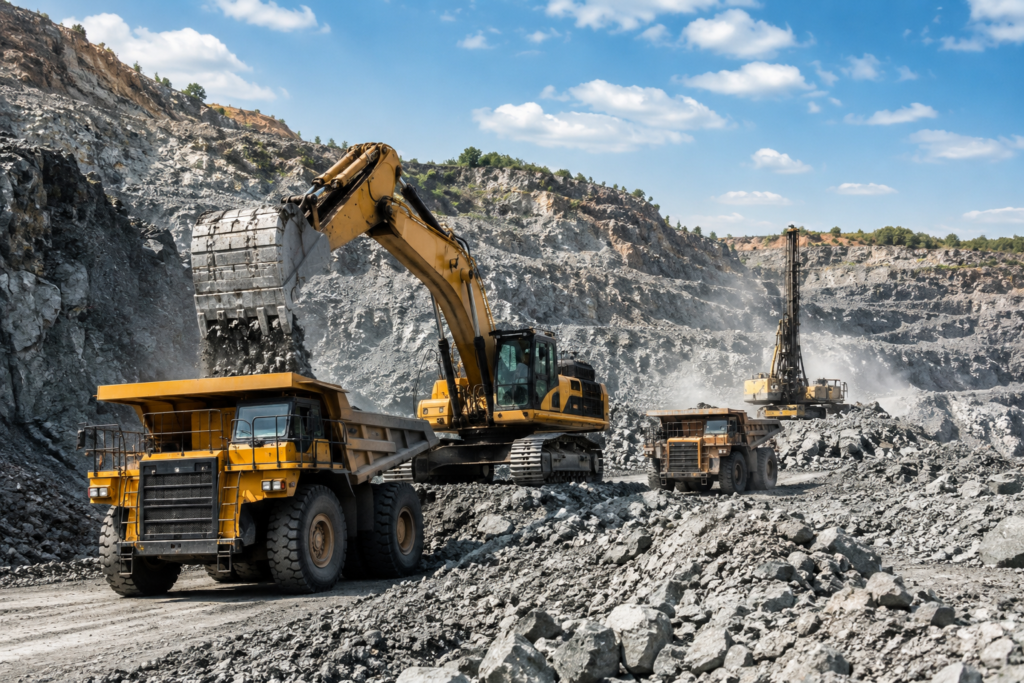
Quarry Mining focuses on extracting construction materials such as granite, marble, sandstone, and limestone. India is globally recognized for its marble and granite production.
Quarry mining supports industries like:
- Construction
- Cement manufacturing
- Infrastructure development
Rajasthan is famous for marble quarrying, while southern India is known for granite extraction.
Modern quarry operations use advanced cutting and crushing equipment for efficient production.
5. Placer Mining
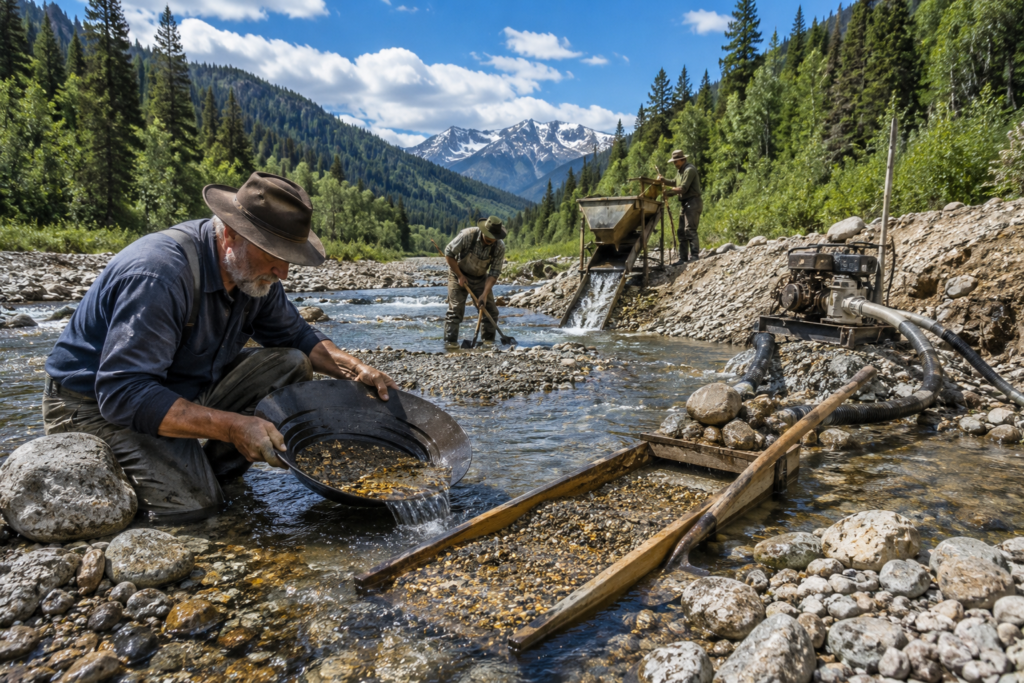
Placer Mining is used to extract minerals from riverbeds, beaches, and sediment deposits. Water and gravity separation techniques help separate valuable minerals from sand and soil.
This mining method is mainly used for:
- Gold particles
- Mineral sands
- Rare earth minerals
Mining regions in Odisha, Kerala, and Tamil Nadu contain important placer mineral deposits.
6. In-Situ Mining
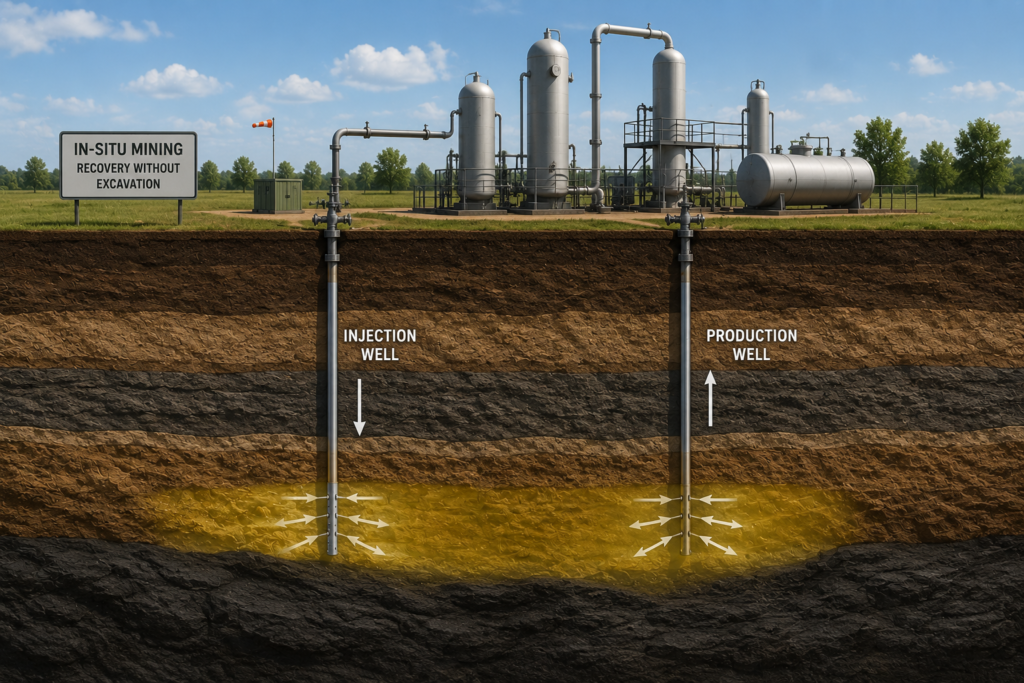
In-Situ Mining is an advanced and environmentally focused mining method. Instead of removing large amounts of rock, chemical solutions are injected underground to dissolve minerals, which are later pumped to the surface.
This method offers:
- Lower surface damage
- Reduced waste generation
- Improved environmental performance
Although still developing in India, in-situ techniques are gaining importance in modern mineral extraction projects.
Modern Technology in the Indian Mining Industry
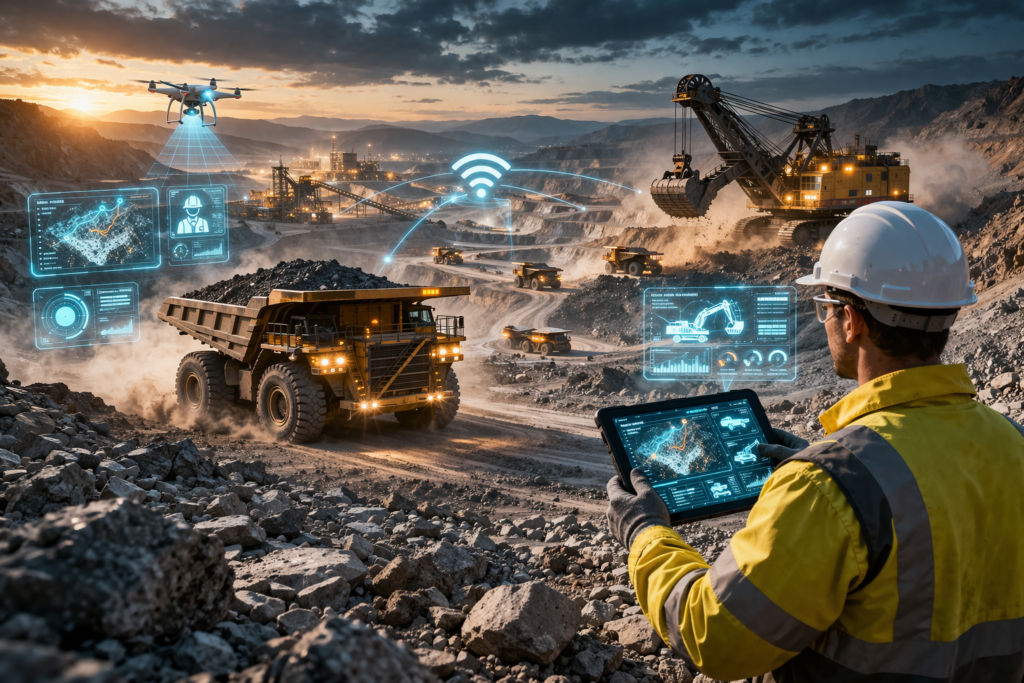
The Indian Mining Industry is rapidly adopting advanced technologies to improve safety and efficiency in mineral extraction methods . Many mining companies now use:
- Automated drilling systems
- GPS – enabled mining equipment
- Drone surveys
- Smart monitoring systems
- Artificial intelligence for mine planning
These innovations help improve productivity while supporting Sustainable Mining Practices across the industry.
Importance of Modern Mining Techniques in India
Modern Mining Techniques in India are essential for meeting the growing demand for minerals in sectors such as:
- Steel production
- Power generation
- Infrastructure
- Manufacturing
- Construction
Efficient mining operations help support economic growth while ensuring better resource management and environmental protection.
Conclusion
Different Mining Methods in India are used based on mineral location, geological conditions, and production requirements. Methods such as Opencast Mining in India, Underground Mining in India, Strip Mining, and Quarry Mining continue to play a major role in the country’s industrial development.
As technology advances, the Indian Mining Industry is moving toward safer, smarter, and more sustainable operations. Modern Mining Techniques in India will remain essential for supporting future infrastructure, energy production, and economic growth.